
4 months in the wrong typeface.
A brand font was installed, referenced correctly, and silently refused by every browser that loaded the site. Nobody noticed, because a fallback font isn't an error.
Craft
6 min read
We inherited a detailing site whose whole identity rested on one typeface: a wide machined grotesque, the sort of face you see on an instrument cluster. It was in the theme. It was in the CSS. It was in the folder.
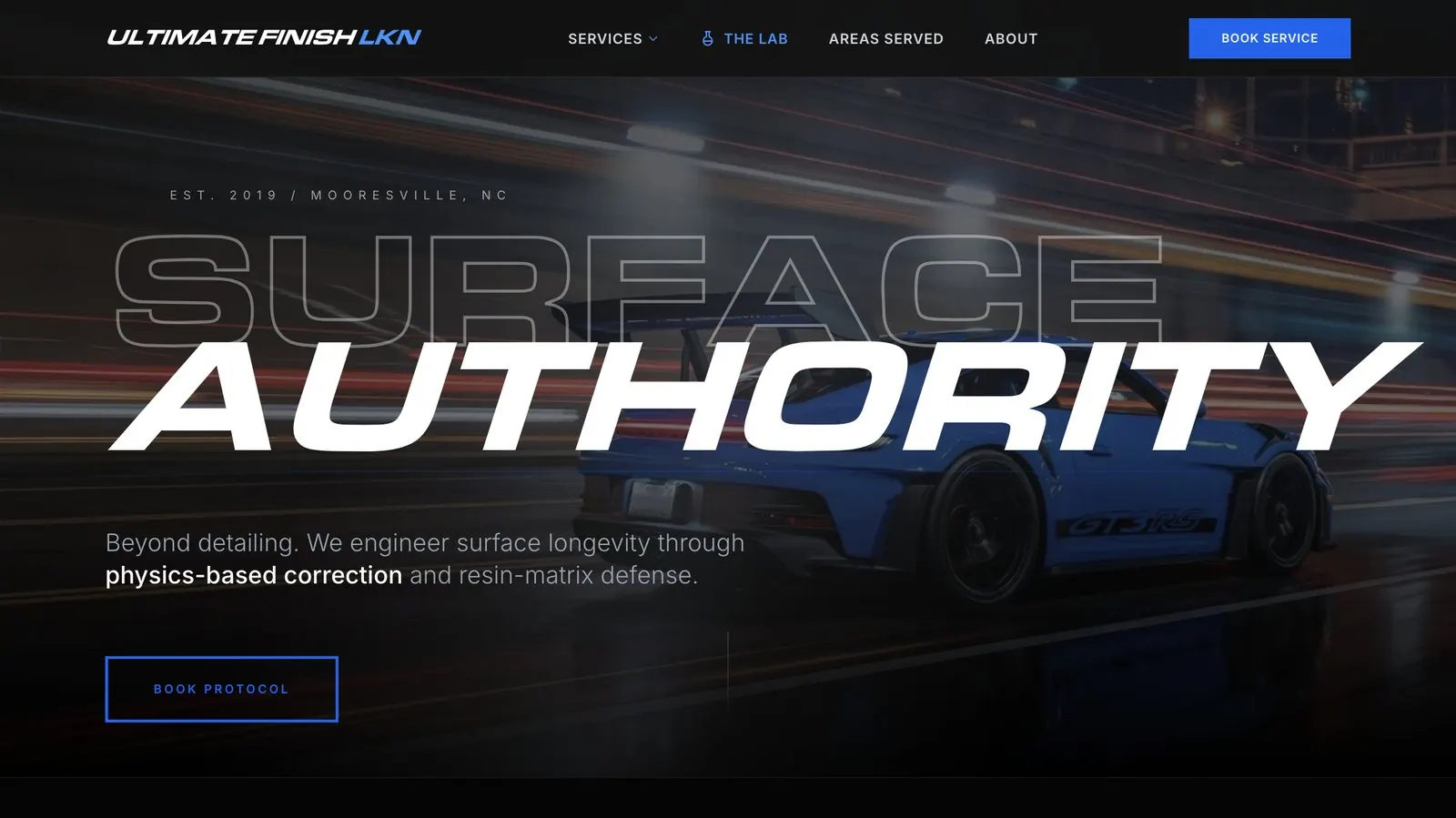
And it had never once rendered.
What was actually wrong
The font's character map table, the part that tells software which byte means which glyph, declared 672 bytes of data and contained 410. Design tools tolerated it, because desktop font engines are forgiving and will reconstruct what they can. Browsers are not forgiving. Every one of them rejected the face outright and fell back to a system sans.
The site looked fine, and it looked nothing like the brand.
This is the worst kind of bug: no error, no warning, no console message, no broken layout. The page renders. It renders in Helvetica.
What we did about it
We repaired the file and kept the typeface, saved the broken original alongside it so there is never any question about what changed, and wrote a check that opens every font file we are handed before a build goes out. The repair took a day. Finding the fault required somebody to decide to look.
There was a second fault in the same file, a different kind, that would have stopped it rendering even if the first had been fixed. The lesson: a file can be wrong in more than one way at once, and none of the faults announce themselves.
What to take from it
Check that your brand font is actually rendering, in a browser on the live site, by inspecting the computed font on a heading. Figma will not tell you. If it says -apple-system or
Arial, you have been paying for a typeface nobody has seen.
Not sure whether this is happening on your site?
We will run the five checks on it and tell you in plain English what we find, whether or not you ever hire us.